

Technology moves quickly. Smartphones receive yearly upgrades, computers become more powerful, and gaming consoles introduce new graphics and features that promise more immersive experiences. With so many new products competing for attention, it is easy to assume that older technology has little left to offer.
Yet many older devices remain useful long after their successors arrive. Some are affordable alternatives to newer products, while others hold sentimental value or continue to perform a specific task remarkably well. In a market where the newest release often gets the most attention, older technology deserves a closer look.
Familiar Technology Can Still Do the Job
Not every task requires the latest hardware. An older laptop may still handle basic writing, web browsing, and document editing. A previous-generation smartphone might remain perfectly suitable for calls, messages, and everyday applications.
The same principle applies to entertainment. People do not always need the newest gaming system to enjoy a good game. Older consoles offer access to established game libraries, familiar controls, and experiences that many players still appreciate.
For some households, these devices also provide a practical way to enjoy technology without spending heavily. Rather than paying for advanced features they may rarely use, buyers can choose equipment that meets their actual needs.
Retro Gaming Keeps Classic Experiences Alive
Gaming provides one of the clearest examples of older technology retaining its appeal. While modern consoles focus on high-resolution graphics, online connectivity, and increasingly detailed virtual worlds, classic systems offer something different: straightforward gameplay and a sense of nostalgia.
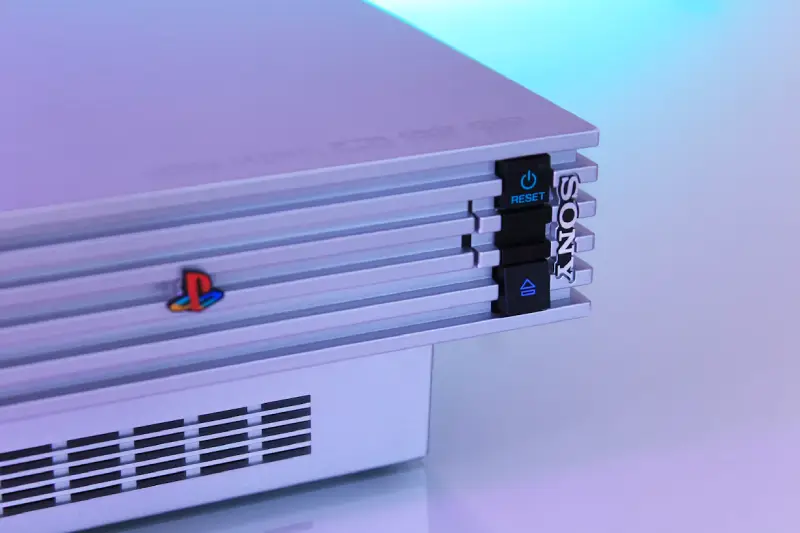
The PlayStation 2 is a particularly memorable example. Released in 2000, it became known for its extensive collection of games across genres, including racing, sports, platforming, and adventure. For many players, returning to these titles brings back memories of childhood, weekends with friends, or the excitement of discovering a favourite game for the first time.
New players can appreciate these games, too. Classic titles often have distinctive art styles and mechanics that feel different from modern releases. Some people enjoy seeing how familiar franchises began, while others simply prefer the uncomplicated fun of older games.
Anyone interested in revisiting this era can look for a playstation 2 own for less when exploring options for classic gaming. Before buying an older console, it is worth checking its working condition, included cables and controllers, and compatibility with your television. Buyers should also confirm which games are included, if any, and whether the seller offers a return policy.
Lower Costs Make Technology More Accessible
Price is another reason older technology remains relevant. New devices can be expensive, particularly when they are released with premium features and accessories. Older models often become more affordable as newer alternatives enter the market.
This creates opportunities for people who want to enjoy a particular activity without making a large financial commitment. A student may find that an older computer covers basic study requirements, while a family might prefer a previous-generation entertainment device over a costly new system.
However, affordability should not be the only consideration. A cheap product that no longer works properly can quickly become a poor investment. Buyers should compare prices, inspect product descriptions, and consider potential repair costs before making a decision.
When an older device is reliable and suitable for its intended purpose, it can offer excellent value.
Older Devices Can Help Reduce Electronic Waste
There is also an environmental reason to think twice before replacing technology unnecessarily. Electronic products require raw materials, energy, manufacturing, packaging, and transportation. Discarding working devices simply because newer models are available can contribute to growing electronic waste.
Keeping a device in use for longer can help make better use of the resources already invested in producing it. Buying second-hand equipment may also extend its useful life, particularly when the product is properly maintained.
Of course, older electronics are not always the most efficient option. Some consume more electricity than newer alternatives, and certain devices may lack modern security protections or repair support. The sensible approach is to consider the complete picture, including performance, energy use, safety, and expected lifespan.
When a device still meets its owner’s needs, replacing it purely for the sake of having something newer may not be necessary.
Collectors Value History and Original Design
Some older technology attracts interest for reasons beyond everyday usefulness. Collectors often appreciate the design, engineering, and cultural significance of products from earlier decades.
Vintage computers, discontinued music players, classic cameras, and retro gaming consoles can all represent important stages in technological development. Their appeal may come from distinctive physical designs, unusual features, or the memories associated with using them.
Condition often matters to collectors. Original packaging, working components, genuine accessories, and well-preserved hardware may influence a product’s desirability. Still, not every old device automatically becomes valuable with age. Market demand, availability, and condition all play a part, so buyers should research comparable listings rather than assuming a product will increase in value.
For enthusiasts, collecting older technology can be a rewarding way to explore the history of products that shaped modern digital life.
Knowing When to Upgrade Still Matters
Older technology has its limits. A device may no longer receive software updates, support essential applications, or connect easily with modern equipment. Batteries can deteriorate, components can fail, and replacement parts may become difficult to find.
Security is particularly important for devices that connect to the internet or store personal information. If a product no longer receives necessary security updates, using it for sensitive activities may carry unnecessary risks.
That is why the decision to keep or replace a device should depend on its condition and purpose. A classic console used for offline gaming has different requirements from an outdated computer used for online banking or business work.
The goal is not to reject new technology. It is to recognise when an upgrade provides meaningful benefits and when an existing device remains perfectly adequate.
A Different Way to Think About Progress
A fast-moving technology market encourages people to focus on what comes next. Yet progress does not mean every older product becomes useless overnight. Many devices continue to provide entertainment, practical functions, and memorable experiences long after their original release.
By looking beyond launch dates and marketing trends, consumers can make more thoughtful purchasing decisions. Sometimes, the newest device is the right choice. Other times, an older model offers exactly what is needed at a more manageable price.
Ultimately, the value of technology depends on how well it serves the person using it. A device does not have to be new to be useful, enjoyable, or worth keeping.