

Technology has changed the way people work. Tasks that once took hours can now be completed with software, automated equipment or artificial intelligence. Entire industries are adapting, and workers are being encouraged to learn new skills to keep up.
Yet some of the most valuable work still happens with tools in hand.
Plumbers, electricians, carpenters, painters and tilers continue to play an essential role in everyday life. Buildings need maintaining, homes need improving, and new properties need skilled people who know how to turn plans into something practical.
For anyone thinking about their future career, the trades deserve a closer look.
Practical Skills Never Go Out of Fashion
A building can be designed using sophisticated software, but someone still needs to install the flooring, fit the bathroom and make sure everything works as it should.
That is one reason practical trades remain relevant.
Many jobs require physical judgement, attention to detail and the ability to respond to unexpected problems. A wall might be uneven. A fitting may not line up as expected. Materials can behave differently depending on the conditions.
These situations call for more than simply following instructions. They require experience and an understanding of how to get the job done properly.
Good tradespeople develop that judgement over time, learning from mistakes and becoming more confident with each project.
Demand Comes From More Than New Construction
When people think about construction careers, they often picture large building sites and newly developed housing estates. However, skilled tradespeople are also needed for renovations, repairs and smaller home improvement projects.
Bathrooms need updating. Kitchens become worn. Older properties require maintenance, while homeowners may want to improve the appearance or functionality of their spaces.
These projects create opportunities for people with the right skills.
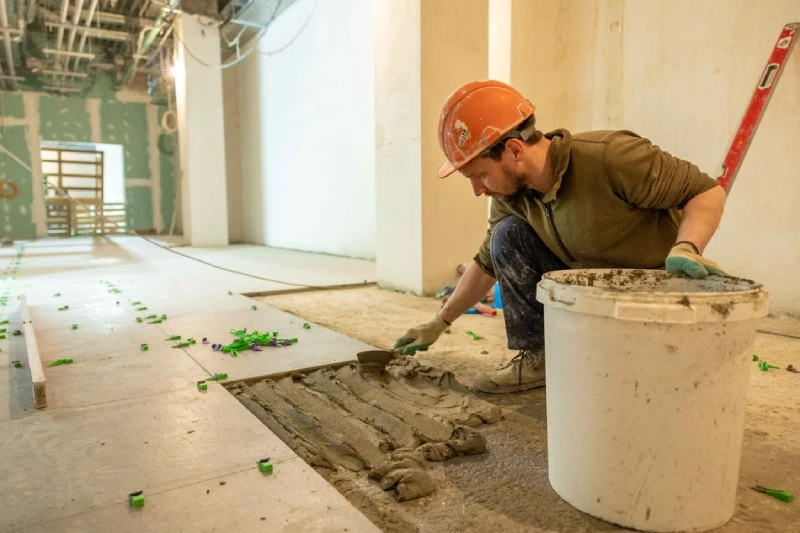
Tiling is a useful example. A tiler might work on a new residential development one month and renovate a bathroom in an older property the next. Different jobs bring different challenges, from preparing uneven surfaces to creating precise patterns around awkward corners.
That variety can make a trade more interesting while allowing workers to develop a broader range of experience.
Training Provides a Strong Starting Point
Nobody becomes an experienced tradesperson overnight.
Learning the correct techniques, understanding materials and developing safe working habits all take time. Practical training can help beginners build a foundation before they take on more demanding projects.
For someone interested in becoming a tiler, for instance, training can cover surface preparation, adhesive selection, tile cutting, layout planning and grouting. These details may seem straightforward until you attempt a job yourself and discover how much precision is involved.
A poor installation can lead to uneven finishes, loose tiles or expensive repairs.
Learning from experienced instructors can help reduce those mistakes and give newcomers more confidence when entering the workplace.
Experience Helps Build a Reputation
In the trades, the quality of your work often speaks louder than a qualification alone.
Customers want someone who turns up when promised, communicates clearly, respects their property and completes the job to a good standard. They also appreciate workers who explain problems honestly instead of leaving unpleasant surprises until the final invoice.
These habits can make a real difference.
A satisfied customer may recommend a tradesperson to friends, family or neighbours. Over time, those recommendations can become a reliable source of new work.
Reputation is particularly valuable for people who want to become self-employed. Technical ability may get a project started, but reliability and professional conduct can help turn a single job into a lasting business.
Finding Opportunities Requires Initiative
Having a useful skill is one thing. Finding people willing to pay for it is another.
New entrants may begin by looking for apprenticeships, contacting local contractors or applying for positions with established construction businesses. Others may prefer to gain experience with a company before eventually working independently.
Online research can also help people understand the market. Anyone exploring tiling work UK opportunities can investigate potential employers, learn what customers are looking for and identify the types of projects available in different parts of the country.
It is worth approaching the search with realistic expectations. Some positions require previous experience, while others offer opportunities to learn on the job. Building contacts and maintaining a record of completed work can make it easier to demonstrate what you can do.
The Trades Are Adapting, Too
Although practical work remains important, the industry is not standing still.
Modern tools, digital measurements, improved materials and online booking systems have changed how many tradespeople operate. Customers may discover a contractor through a website, request a quotation by email and receive project updates on their phone.
For self-employed workers, these developments can make everyday administration easier.
Technology can help with scheduling, invoices and communication, but it does not replace the skill required to complete the physical work. A useful combination of practical knowledge and digital confidence can therefore give tradespeople an advantage.
A Career With Room to Grow
One appealing aspect of skilled trades is the range of possible career paths.
Someone might start as an apprentice, become a qualified tradesperson, specialise in a particular type of work and eventually supervise larger projects. Others may establish their own businesses or move into training and mentoring.
Progress does not have to follow the same route for everyone.
Some people value the variety of working on different sites. Others enjoy the independence of running their own business. For those who take pride in visible results, there is also a particular satisfaction in finishing a project and seeing the difference their work has made.
That sense of achievement should not be underestimated.
Why Skilled Work Still Matters
The job market will continue to change. New technologies will create opportunities, while other roles may evolve or disappear. But people will still need safe homes, functional workplaces and buildings that are properly maintained.
Those needs depend on people with practical skills.
A successful career in the trades requires commitment, training and a willingness to keep learning. It is not an effortless option, and the physical demands should be considered before choosing a particular path. However, for people who enjoy hands-on work and solving real problems, it can offer a worthwhile direction.
In a world increasingly focused on digital progress, there is still considerable value in knowing how to make, repair and improve something with your own hands.